W. Köck, Leipzig
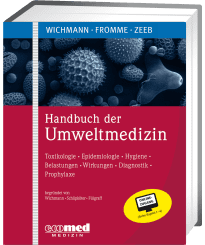
Den kompletten Artikel können Sie in unserem "Handbuch der Umweltmedizin" nachlesen.
Zusammenfassung
Der Beitrag führt in den Gegenstand und die Geschichte des Umweltrechts ein (1.), behandelt die verfassungsrechtliche Verankerung des Umweltschutzes (2.), informiert über die Ziele und die Prinzipien des Umweltrechts (3.) sowie über die Strategien und Instrumente zur Erreichung umweltrechtlicher Zielvorgaben (4.). Einbezogen werden darüber hinaus Implementationsaspekte des Umweltrechts und der Zugang zu Gerichten in Umweltangelegenheiten (5.) sowie die Rolle des EU-Umweltrechts und der internationalen Umweltrechtsentwicklung für die Entwicklung des deutschen Umweltrechts (6.). Am Ende stehen ein kurzes Fazit und ein Ausblick, der auch aktuelle Krisenerscheinungen der Weiterentwicklung des Umweltrechts thematisiert (7.).
Schlagwörter: Umweltrecht – Gegenstandsbereiche des Umweltrechts – Umweltrechtsentwicklung – Umweltverfassungsrecht – Staatsziel Umweltschutz – Recht auf intertemporale Freiheitssicherung – Verteilung der Gesetzgebungskompetenzen zwischen Bund und Ländern – Umweltqualitätsziele im Umweltrecht – Vorsorgeprinzip – Verursacherprinzip – Kooperationsprinzip – Nachhaltigkeitsgrundsatz – Interventionistischer Ansatz – Bürokratischer Legalismus – Ökonomischer Ansatz – Planung des Umweltschutzes – Präventiver und repressiver Umweltschutz – Anreizsetzung – Förderung – Ermittlung von Umweltfolgen – Stand von Wissenschaft und Technik – Stand der Technik – Allgemein anerkannte Regeln der Technik – Grenzwerte – Umweltstandards – Klagerechte im Umweltschutz – Rechte der Natur – Internationales Umweltrecht – EU-Umweltrecht – European Green Deal – Nachhaltigkeitstransformation
Abstract
This article introduces the subject and history of environmental law (1.), discusses the constitutional basis of environmental protection (2.), provides information on the objectives and principles of environmental law (3.), and outlines the strategies and instruments for achieving environmental law objectives (4.). It also covers implementation aspects of environmental law and access to courts in environmental matters (5.) as well as the role of EU environmental law and international environmental law developments in the development of German environmental law (6.). It concludes with a brief summary and an outlook that also addresses current crises in the further development of environmental law (7.).
Keywords: Environmental law – Subject areas of environmental law – History and Development of environmental law – Environmental constitutional law – Environmental protection as a constitutional objective – Right to intertemporal freedom – Distribution of legislative powers between the federal government and the states – Environmental quality objectives in environmental law – Precautionary principle – Polluter pays principle – Cooperation principle – Principle of sustainability – Interventionist approach – Bureaucratic legalism – Economic approach – Environmental protection planning – Preventive and repressive environmental protection – Incentives – Promotion of environmentally friendly behavior – Assessment of environmental impacts – Best available scientific knowledge – Best available techniques – art – Generally recognised rules on technology – Threshold values – Environmental standards – Access to justice in environmental law – Rights of nature – International environmental law – EU environmental law – European Green Deal – Sustainability transformation
Zitierweise:
Köck W (2026). Entwicklung und Grundstrukturen des Umweltrechts. In: Wichmann HE, Fromme H, Zeeb H, Kaifie-Pechmann A (Hrsg.), Handbuch der Umweltmedizin, 84. Erg.-Lfg. 4/26. ecomed Medizin, Landsberg
Toxikologie - Epidemiologie - Hygiene - Belastungen - Wirkungen - Diagnostik - Prophylaxe

Der ecomed MEDIZIN PublikationsTicker informiert Sie über die wichtigsten und spannendsten Beiträge aus unseren medizinischen Publikationen aus allen Fachgebieten von A wie AINS bis U wie Umweltmedizin.